Thinking about leaving the Bay Area without giving up convenience, lifestyle, or long-term value? Vacaville often comes up for buyers who want more space and a different pace, but whether it is the right move depends on how you live day to day. If you are weighing price, commute patterns, housing options, and local amenities, this guide will help you look at Vacaville with clear eyes. Let’s dive in.
Why Vacaville Gets Attention
For many Bay Area buyers, Vacaville stands out because it sits along the I-80 and I-505 corridor between San Francisco and Sacramento. The city describes itself as freeway-accessible, and Solano County transit connects the area through local bus service, Solano Express, and the nearby Fairfield-Vacaville Capitol Corridor station. That gives you regional access, but it does not make Vacaville a dense transit-first city.
In practical terms, Vacaville works best if you are comfortable with a corridor lifestyle. The Solano Transportation Authority describes I-80 as a heavily traveled and unreliable gateway corridor, with weekend traffic that can match or exceed weekday traffic. If your schedule is hybrid or your travel is more Sacramento- or East Bay-oriented, that setup may feel manageable.
What the Housing Market Looks Like
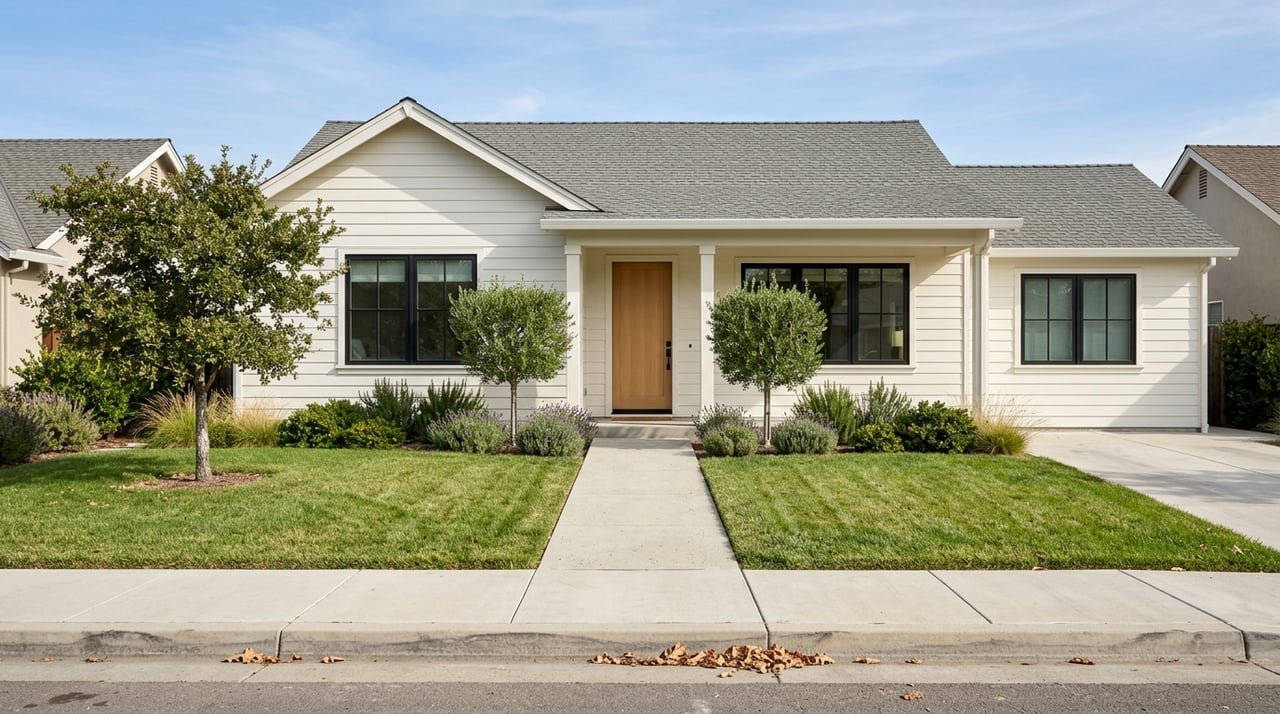
Vacaville remains a largely single-family home market. The city’s 2025-2030 Consolidated Plan says 73% of residential properties are one-unit detached structures, and it notes that local development patterns have long favored this type of housing. If your goal is more indoor and outdoor space than you may find in many Bay Area submarkets, that is a meaningful part of the appeal.
Current pricing places Vacaville in the low-to-mid $600,000s. Zillow reported a typical home value of $608,698 as of April 30, 2026, while Redfin reported a March 2026 median sale price of $628,165. Redfin also noted homes selling in about 45 days and receiving about two offers on average, which points to active but not frenzied demand.
The broader ownership picture supports that middle-ground feel. Census Bureau 2020-2024 ACS data show a 67.5% owner-occupied rate, a median owner value of $620,900, and median gross rent of $2,299. Taken together, those numbers suggest a suburban market that still attracts steady buyer interest.
Why Some Bay Area Buyers See Value Here
Vacaville is not inexpensive, but many buyers still view it as a value play compared with closer-in Bay Area locations. The city’s housing analysis says Bay Area housing prices have risen sharply and identifies Solano County as the most affordable Bay Area county. That context helps explain why Vacaville lands on so many relocation shortlists.
If you are trying to balance budget with livability, Vacaville can offer a middle ground. You may find a housing format that feels more spacious and suburban while staying within a price band that can be harder to access in other Bay Area counties. For buyers who prioritize room to spread out, that tradeoff can be compelling.
How Housing Options Are Expanding
Although detached homes still dominate, Vacaville’s future pipeline is broader than many buyers expect. The city’s Growth Areas Planning page outlines future planning areas such as the Northeast Growth Area and East of Leisure Town Road Growth Area, with concepts that include single-family detached homes, townhomes, apartments, and related commercial space. That points to a market that may gradually offer more choice over time.
Several projects reinforce that shift. Lower Lagoon Valley includes 1,025 dwelling units across a range of housing types, Greentree includes 1,149 units with higher-density housing and 240 garden-style apartments, and a Southtown project approved 236 apartments. If you are open to something other than a traditional detached house, it is worth watching how these plans shape future inventory.
What Daily Life Feels Like
Vacaville offers a suburban rhythm with a real local core. Historic Downtown Vacaville includes locally owned boutiques and restaurants, while Town Square and Andrew’s Park host events such as the Creekwalk Concert Series, a weekly farmers’ market, the Fourth of July Celebration, and Merriment on Main. That gives the city a civic center that feels active without reading as urban-dense.
For everyday convenience, Nut Tree Plaza is another part of the draw. Visit Vacaville describes it as an outdoor shopping center with more than 50 retail stores and restaurants, plus a carousel and the original Nut Tree Railroad train. If you want easy access to shopping and casual weekend plans without driving into a larger metro, that can add to the appeal.
Outdoor recreation is one of Vacaville’s clearest strengths. Lagoon Valley Park spans 306 acres and includes a 100-acre lake for non-motorized boating, along with hiking, biking, and equestrian trails, a 27-hole disc golf course, an archery range, an electric model flying field, a dog park, and the Peña Adobe Historic Area. The city also highlights community centers, a performing arts theatre, a local hospital, the Boys & Girls Club, and the school district among its core civic amenities.
Who Vacaville Fits Best
Vacaville often makes the most sense if you want more space, a suburban setting, and access to regional routes without paying prices common in many closer-in Bay Area locations. It can be a strong match for buyers with hybrid work arrangements or for those whose travel patterns lean toward Sacramento, Solano County, or parts of the East Bay. It may also appeal if local parks, community events, and a less dense day-to-day environment matter to you.
This kind of move can also suit buyers who are comfortable planning around freeway travel. Vacaville is connected, but much of that connectivity depends on driving or using corridor-based transit options. If you prefer a lifestyle where most errands and outings are local and you only head into larger job centers when needed, the city may feel like a practical fit.
What to Watch Before You Move
The main tradeoff is commute predictability. Because Vacaville is tied closely to I-80, travel times are sensitive to corridor congestion, and the Solano Transportation Authority specifically describes the route as heavily traveled and unreliable. That matters if you need a frequent, tightly timed trip into more distant Bay Area job centers.
Before making a decision, verify your real door-to-door routine. Look at the specific hours you would travel, whether your workweek is daily or hybrid, and how often you need to be in person. Vacaville may feel like an excellent balance for some buyers and a poor fit for others, even when the home itself checks every box.
A Smart Way to Evaluate Vacaville
If Vacaville is on your shortlist, focus on three practical questions:
- How often do you need to commute, and at what times?
- Do you want a detached-home-heavy suburban market, or would a townhome or apartment option suit you just as well?
- Are parks, downtown events, and local shopping enough for your weekly lifestyle, or do you want quicker access to a larger urban core?
When you answer those questions honestly, the picture usually gets clearer. Vacaville is not trying to be San Francisco, Oakland, or the Peninsula. Its appeal is different: more space, a strong suburban framework, growing housing variety, and a location that can work well if your routine aligns with the corridor.
For Bay Area buyers, that can be a very smart move. The key is making sure the lifestyle tradeoffs match the way you actually live, not just the way a map makes the city look.
If you are weighing a relocation or lifestyle purchase and want a thoughtful, high-touch perspective on Northern California real estate, Lauren Lawson — Peterson Lawson Group offers concierge-minded guidance tailored to your goals.
FAQs
Is Vacaville more affordable than many Bay Area locations?
- Vacaville is not inexpensive, but the city’s housing analysis says Solano County is the most affordable Bay Area county, which helps explain why many buyers see Vacaville as a value option.
What types of homes are most common in Vacaville?
- Detached single-family homes are the dominant housing type, with the city reporting that 73% of residential properties are one-unit detached structures.
Is Vacaville a good choice for daily Bay Area commuting?
- It depends on your destination and schedule, but I-80 is described by the Solano Transportation Authority as heavily traveled and unreliable, so buyers should verify actual door-to-door commute times before moving.
Does Vacaville have transit options for regional travel?
- Yes. The city says the area is connected through local bus service, Solano Express, and the nearby Fairfield-Vacaville Capitol Corridor station, though Vacaville still functions more as a corridor city than a dense transit hub.
What is the lifestyle like in Vacaville for buyers moving from the Bay Area?
- Vacaville offers a suburban, car-centered lifestyle with local shopping, downtown events, and strong outdoor recreation, including Lagoon Valley Park and activities centered around Downtown Vacaville.
Are there newer housing options coming to Vacaville?
- Yes. The city’s growth planning includes future areas and projects with a mix of detached homes, townhomes, apartments, and related commercial space, which may expand housing choice over time.